


Planning a Used 200 Series LandCruiser Purchase Before a Big Trip
Buying a used 200 Series for a big trip brings different demands from buying a daily driver. The departure date sets the deadline, and every check needs to fit into the time before it.
Define the trip before you define the car
Start with where you're headed and who is coming along. A sealed-road loop with two people and light bags calls for a very different setup than a remote run with a full cabin and a trailer behind. Write down daily distances, fuel stops, water needs and how much weight you'll carry. That list shapes what condition you'll accept and what work you'll need to organise.
It's easy to fall for a tidy interior while forgetting load height or second-row space. You won't forgive that mistake on day four when bags are stacked where kids should stretch out. If you can, spend a weekend packing a borrowed wagon with your usual gear. You'll learn fast whether swags, fridge, boxes and bags fit without stacking to the roof.
Set your timeline from the departure date backwards. Give yourself several weeks for searching and workshop time, rather than squeezing everything into a final fortnight. Stock availability and appointment times vary, so build in room to reject an unsuitable car and inspect another. A little patience now can reduce pressure later.
Talk through where you'll sleep and how you'll eat on the road. Those answers decide how much room and payload you need. You'll shortlist faster when you know what won't work.
Shortlist on history, not photos
Photos hide a lot. Logbooks and receipts give you a better picture of how a car has been looked after. Ask for the service history early and match odometer readings across dated invoices, inspection records and past ads where available. Gaps or jumps need a clear answer. Service gaps mean walk away if the seller can't explain them.
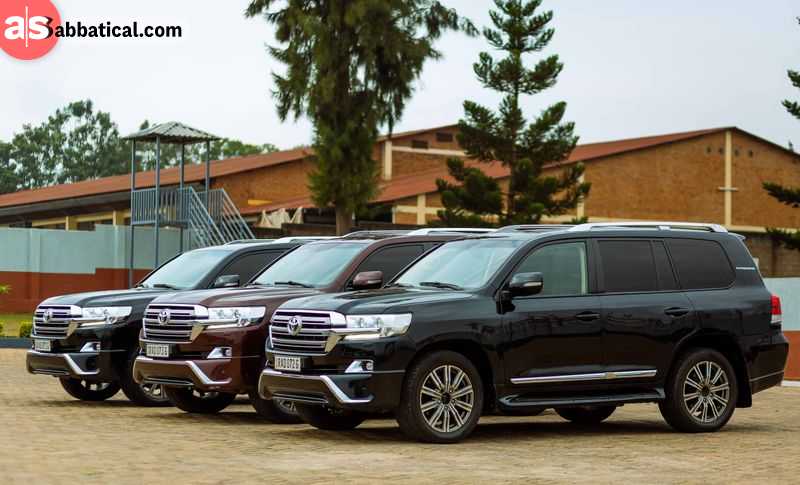
Once you know what good history looks like, you can compare the 200 series landcruiser for sale market to benchmark prices against condition and kilometres. Don't book travel to see a car until the paperwork has passed your first filter. That habit saves wasted trips and keeps a freshly detailed car from distracting you from its history.
Run a PPSR search by VIN before you pay a deposit or arrange travel. It will flag finance owing and write-off status. It will also show if the VIN is recorded as stolen. Cross-check the VIN on the plates and the search result. If anything doesn't line up, pause.
There's always another car.
Allow time to obtain records and clarify answers. If the seller's schedule prevents the checks you need, consider whether another car offers a more workable process. Evasive answers or missing books are information in themselves. You don't need to argue. You can move on.
Get an inspection scoped to that vehicle
Do not confuse a safety certificate, where one is supplied, with a comprehensive assessment of touring readiness. You need an independent inspection by a mechanic who sees LandCruisers all the time. Ask for the check to be scoped to that car's age, use, setup and kilometres. They should get it on a hoist and take it for a decent drive on mixed roads, not just idle it in the yard for five minutes.
Expect them to spend time underneath and under the bonnet, with a close look at tyres, brakes, suspension and steering too. They should note leaks and wear, using photos to explain what needs attention now and what can wait until after the trip. Ask whether they tested it loaded or unloaded, because weight changes behaviour. A clear report gives you something concrete to base a negotiation or a decision to walk away on.
Book the inspection early in your search, not the week before departure. Good workshops fill up and you may need a second look after repairs. Leave room in your calendar for the seller to agree and for the report to come back. You'll also need time to get quotes on any faults found. That breathing space helps you avoid accepting a car with doubts still hanging over it.
Leave weeks for work and a loaded run
A well-presented example may still need scheduled servicing, repairs or changes to suit the planned trip. Get quotes early and book the workshop before you need it, because touring season fills diaries. Allow extra days for parts to arrive and for a follow-up check if work is done. Use that same buffer to sort registration transfer and insurance, so admin isn't hanging over your last week.
Plan a loaded shakedown close to home before you set off. Pack as you would for the real trip and drive a mix of highway and back roads. Listen for new noises. Watch how temps sit and how brakes feel with weight on board. Check tie-downs and clearances, then repack what rattled loose. It's a chance to pick up small faults and packing hassles while help is near, though it can't rule out problems later.
Keep the shakedown safe and simple. Stay within phone range and daylight, and bring basic tools and water. Note fuel use and comfort. Check access to gear with the car fully packed. You'll return with a list of tweaks based on how the setup actually worked.
A rushed purchase puts pressure on the whole trip. A planned one gives you time to say no and fix what matters before you leave. Leave yourself that time rather than letting a bargain price set the schedule.