

Planning the Perfect Mountain Getaway for Any Season
A mountain trip rewards you in ways a typical vacation cannot. Crisp air, slower mornings, and wide views reset something in you that a city break never touches. Yet the season you choose changes everything about the experience, from what you pack to what you can actually do once you arrive.
Travelers heading to the Smoky Mountains often discover this the hard way, arriving in shorts during a chilly snap or booking a hiking-heavy week during peak heat. A little planning fixes all of that and turns a decent trip into one worth repeating every year.
Choosing Where to Sleep
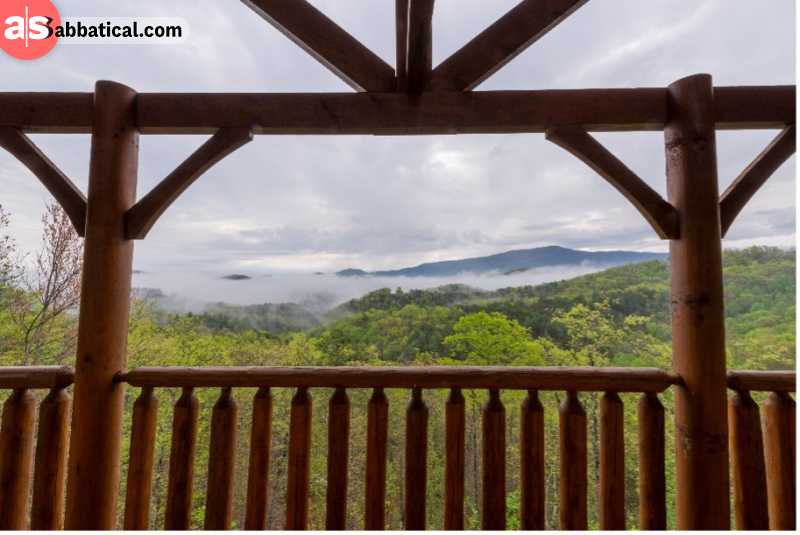
Travelers heading into the mountains often struggle to find lodging that actually sits inside the scenery they came for. The rooms that remain near peak weekends usually sit far from the ridges, forcing long drives back and forth instead of quiet evenings spent watching the light fade. A better option puts you inside the landscape rather than beside it.
Visit My Smokies lists Smoky Mountain cabins across Gatlinburg, Pigeon Forge, and Sevierville, giving you a private log retreat tucked into the woods with full kitchens, covered porches, hot tubs, and the kind of stillness no busy street can match.
Families gain space to spread out, couples gain privacy, and groups gain a shared base where the morning coffee tastes better simply because of where you are drinking it. The right pick sets the tone for everything that follows.
Matching Your Trip to the Right Season
Each season delivers a different version of the same region, and picking the right window matters more than most travelers realize.
Spring brings wildflowers, lower visitor numbers, and steady temperatures that suit long days outdoors. Rain showers pass through often, so layered clothing and waterproof shoes save the day. This is the season for waterfall chasers and anyone who prefers green over gold.
Summer feels like a festival. Warm afternoons, late sunsets, and full crowds give the area its busiest stretch. Travelers should book early, start outdoor plans before noon, and keep a flexible afternoon plan in case the heat climbs. Rivers and creeks become natural cooling spots, and evenings stay pleasant enough for porch dinners.
Autumn turns the entire region into one long photograph. Reds, oranges, and yellows roll across the slopes from late September into early November, depending on elevation. Weekends fill up fast, midweek stays feel calmer, and a light jacket handles the cooler mornings without weighing down a suitcase.
Winter quiets everything. Snow dusts the higher elevations, holiday lights brighten the towns, and pricing often drops outside the December peak. Travelers who prefer fewer crowds, fireside evenings, and a slower pace will find this season the most rewarding of all.
Building a Realistic Daily Plan
Many travelers try to do too much. They schedule full days of activity, underestimate driving times along winding roads, and finish the trip more tired than when they started. A realistic plan blocks the morning for one main activity, leaves the afternoon flexible, and protects the evening for rest. That structure carries you through the week without burnout, especially when elevation changes start to affect your energy.
Pace also depends on who you are traveling with. Children fade faster than adults expect, older travelers need built-in breaks, and couples often want unhurried meals rather than packed itineraries. Build the schedule around the slowest person in the group, and the whole trip improves.
Weather should factor in too, since a rainy morning can shift outdoor plans to the afternoon without ruining the day. Keeping a backup option in your back pocket, whether that is a quiet indoor spot or a short scenic drive, saves the schedule when conditions change.
Packing for Mountain Weather
Mountain weather shifts quickly. A bright morning can give way to fog by lunch, and temperatures drop noticeably once the sun slips behind a ridge. Pack in layers so you can adjust without returning to base. A lightweight rain shell, sturdy walking shoes, a warm mid-layer, and moisture-wicking shirts cover most conditions across most seasons.
Smaller items matter too. Travelers often forget a refillable water bottle, a small flashlight, and a basic first aid kit, then end up paying convenience-store prices for replacements. A simple checklist written a week before departure prevents the scramble on packing day.
Eating Well Without Overspending
Restaurant meals add up faster than most vacation budgets allow. Travelers who plan even a few meals at their accommodation cut costs significantly and often eat better in the process. Stopping at a local grocery on the first day stocks you with breakfast items, sandwich fixings, and snacks for long outings. Save the dining-out budget for the meals you actually want, whether that is a hearty breakfast spot, a barbecue stop, or a special dinner.
Local markets and bakeries also add character to a trip. Picking up fresh bread, regional preserves, or homemade pies turns an ordinary lunch into something memorable, and the cost stays modest compared to a full restaurant visit.
Building in Time for Nothing
The best mountain trips include stretches of unscheduled time. Sitting on a porch with a book, watching mist rise off the slopes, or simply listening to the quiet does as much for your mind as any hike or attraction. Travelers who treat these moments as optional often skip them, then return home wondering why the trip felt so rushed.
Block at least one full afternoon with no plan attached. Read, nap, take a slow walk, or just sit outside. The memory of that pause often lasts longer than the busy hours.
Returning Year After Year
Travelers who plan their first mountain trip carefully almost always return. Each season offers something the last one did not, and familiarity with the region only deepens the enjoyment. Keep notes from each visit on what worked, what you skipped, and what you want to try next time. Those small details turn a single getaway into a tradition worth building a life around.