


Dealing With A Travel-Related Injury
Travel should be an opportunity to relax, explore, and create lasting memories. Unfortunately, accidents can happen anywhere, and suffering an injury while away from home presents unique challenges that go beyond the physical pain. From navigating unfamiliar healthcare systems to understanding your legal rights in a foreign jurisdiction, dealing with a travel-related injury requires knowledge, preparation, and swift action.
The Reality of Travel Injuries
Travel-related injuries occur more frequently than most people realize. The Centers for Disease Control and Prevention reports that injuries are among the leading causes of death and disability for Americans traveling abroad. While exact statistics on non-fatal travel injuries are difficult to compile, emergency room visits, slip-and-fall accidents in hotels, transportation mishaps, and recreational activity injuries affect thousands of travelers annually.
These incidents can happen in various settings. Hotel premises account for a significant portion of travel injuries, with hazards ranging from wet floors and inadequate lighting to poorly maintained staircases and defective equipment. Tourist attractions, restaurants, cruise ships, and rental accommodations all present their own potential dangers. Even something as simple as unfamiliar sidewalks or different building codes can increase accident risk when you're in an unfamiliar environment.
Immediate Steps After an Injury
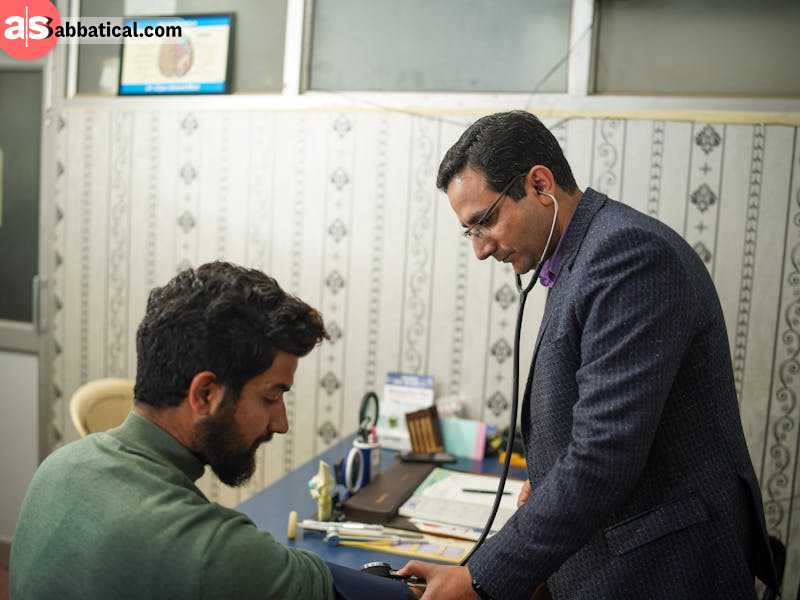
The moments following an injury are critical for both your health and any potential legal claim. First and foremost, seek medical attention immediately, even if the injury seems minor. Adrenaline and shock can mask the severity of an injury, and some conditions worsen without prompt treatment. Additionally, creating a medical record establishes a clear timeline and documentation of your injuries.
Once you've addressed immediate medical needs, document everything related to the incident. Take photographs of the accident scene, including any hazards that contributed to your injury. Capture multiple angles and include context shots that show the surrounding area. If there were witnesses, collect their contact information and ask if they'd be willing to provide a statement about what they observed.
Report the incident to the appropriate parties immediately. If your injury occurred at a hotel, notify management and request that they file an incident report. Obtain a copy of this report for your records. Similarly, if the accident happened during an organized tour or at a commercial establishment, ensure proper documentation is created. These reports serve as crucial evidence if you later need to pursue compensation.

Understanding Your Rights
Many travelers don't realize they may have legal recourse after suffering an injury due to someone else's negligence. Property owners, tour operators, and businesses have a duty to maintain reasonably safe conditions for guests and customers. When they fail to meet this obligation, they can be held liable for resulting injuries.
According to hotel accident attorneys at Hotel Injury Lawyers, "Property owners must address known hazards and conduct regular inspections to identify potential dangers that could harm guests." This duty of care extends to maintaining safe walkways, ensuring adequate lighting, repairing broken fixtures, and warning guests about unavoidable hazards. When establishments fail to meet these responsibilities, injured parties may be entitled to compensation for medical expenses, lost wages, pain and suffering, and other damages.
The complexity increases when injuries occur in different states or countries, as varying laws govern premises liability and personal injury claims. Some jurisdictions have different statutes of limitations, damage caps, or standards for proving negligence. Consulting with an attorney who specializes in travel-related injuries can help you understand which laws apply to your situation and what compensation you might reasonably expect.
Navigating Insurance and Claims
Travel insurance can provide crucial protection, but understanding your coverage is essential. Comprehensive travel insurance policies typically cover emergency medical expenses, medical evacuation, and trip interruption, though coverage limits and exclusions vary significantly between policies. Review your policy carefully to understand what's covered and what documentation you'll need to file a claim.
Your regular health insurance may also provide some coverage for injuries sustained while traveling, though many policies have limitations for international travel. Credit cards used to book travel often include some travel insurance benefits, so check with your card issuer about available coverage. Medicare generally doesn't cover healthcare outside the United States, making supplemental coverage particularly important for older travelers.
Long-Term Considerations
Some travel injuries have lasting impacts that extend well beyond the trip itself. Serious injuries may require ongoing medical treatment, physical therapy, or even surgery after returning home. Keep meticulous records of all medical appointments, treatments, and expenses related to your injury. These records become essential if you pursue a legal claim or insurance settlement.
Don't rush to settle with insurance companies or sign liability waivers without fully understanding the extent of your injuries and future medical needs. Some injuries reveal their full impact only over time, and accepting a quick settlement might leave you responsible for substantial future medical costs.

Prevention and Preparation
While not all accidents are preventable, travelers can take steps to reduce their risk. Research accommodations carefully, reading reviews that mention safety concerns. Pack a basic first-aid kit and any necessary medications. Stay aware of your surroundings, especially in unfamiliar environments. Consider purchasing comprehensive travel insurance before every trip.
Dealing with a travel-related injury is stressful, but understanding your rights and taking appropriate action can help protect both your health and your financial interests during an already difficult time.

