

How to Prepare for Unpredictable Weather During an Icelandic Road Trip
The weather that you'll experience when driving in Iceland varies from one part of the country to the next. The general rule of thumb is that you can often experience "four seasons in one day" which isn't far from the truth. You might leave the hotel in the sun, run into snowfall up in the mountains on your way to that waterfall, and then it's raining down at the beach. Then the wind could pick up on the way back to the hotel.
Your Vehicle is Safety Equipment, Not Just Transport
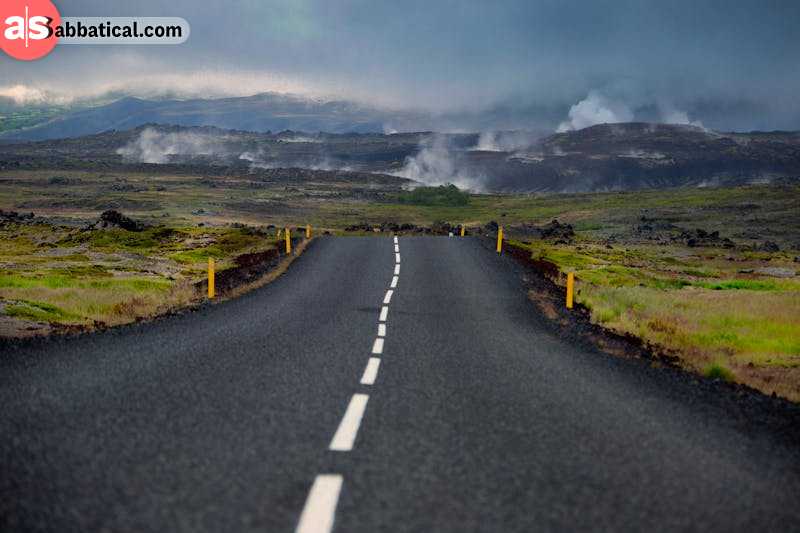
This is where the rubber meets the road. Throw the numbers out of the window, the vehicle you rent is your most important piece of safety gear for the entire journey, whatever the season.
Even in the middle of summer, Icelandic roads include more challenges than you may be used to at home: gravel tracks, fords, and sections that become treacherous mud under the wheels of an unfamiliar driver. F-Roads require high ground clearance and 4x4 power if you intend to enter the mountains (and legally you can't take a standard 2WD rental onto them). All of this applies in the warmer seasons too because there's no way of predicting what sort of surface-water and erosion you'll encounter on a particular fording or mountain track after unseasonable weather.
Insurance bells start ringing here too. Windstorm damage and gravel chips, the two most common claims, are frequently not protected on the basic insurance bundled with many rentals. Sand and Ash and Gravel protections should be your primary considerations, not the afterthought you may currently consider them to be. If you want to stay safe with trusted Iceland car rentals from a reputable local provider, you know exactly what's protected and what isn't for specific circumstances. And you know their vehicles are mechanically ready.
If you are driving between November and mid-April make sure the rental is wearing studded tires. Too many sealed-road "off-road" winter accidents are caused by black ice and the marginally better stopping distances with studs are really worth it.
Check Two Sources, Every Single Morning
Most people check a weather app once, scrunch their brows for a secure mental image of what 52F feels like, pack a hoodie, and move on for the remainder of the century. In Iceland, if that's your approach, you probably won't die, but you might lose all your money in an effort not to.
Before you drive anywhere, check Vedur.is for the current forecast and SafeTravel.is for live road safety alerts. Then open Road.is and look at the road condition map. These aren't redundant steps. Vedur.is tells you what the atmosphere is doing. Road.is tells you what's happening on the tarmac right now. SafeTravel.is tells you whether you should be on the road at all.
Do this every morning. Not once at the start of your trip. Every day. Not once in the morning. Again at noon. Then again at 3 p.m. and certainly before you hop back in the car to head to the village for dinner. Conditions on the Ring Road in the south can be completely different from conditions on the same road three hours north, and they can change again by the time you get there.

Wind is the Threat People Underestimate Most
Snow, everyone's looking out, wind isn't always. Katabatic winds, those fast, gravity-pulled gusts which accelerate down mountain slopes, are familiar and frequent in Iceland. And they pack a punch. Wind gusts in the Icelandic highlands frequently exceed 70-100 km/h, the threshold where light vehicles become genuinely unstable on the road. Snow isn't necessary to create basic emergency conditions. At those speeds, you're not just fighting reduced visibility. You're fighting physics.
The widespread danger most visitors aren't warned about is opening a car door in high wind. A 15 meters per second gust can rip a door clean off its hinges, or send it swinging hard enough to cause serious injury. The habit to develop: crack the door first, feel the resistance, and brace it with your body before opening it fully. It sounds dramatic until the first time you feel what a real Icelandic gust actually does.
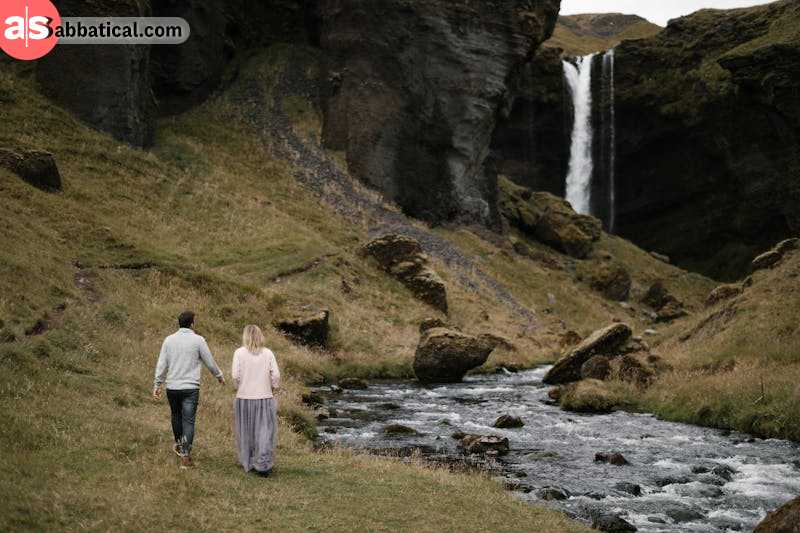
Build Slack into Your Schedule Before You Need it
Many weather-related problems in Iceland are exacerbated by time pressure.
It's not the two hours stuck at a petrol station waiting for a convoy that induce panic; it's the flight you'll miss when they finally let you through. Buffer time, loose days, half days or even just long gaps between fixed bookings, sucks a lot of the stress out of such unavoidable delays. A good rule of thumb is to leave the final two days of your trip utterly unscheduled. No tour bookings, no non-refundable guesthouse payments, absolutely nothing with a due date.
The Golden Circle and Ring Road, in particular, can be cloaked in sudden fog or obliterated by wind-driven snow, but if you have the flexibility to see a forced detour as an unexpected adventure, rather than a ruined day, you won't be alone on the right road with your woes.
Weather is the Trip
Iceland's weather is not something that will prevent you from having a great experience. Actually, it is something that will make your experience even better. The adventures you can have when it is snowing or raining are just different and unique.