

Where the Money Actually Goes: An Honest Iceland Budget
"Iceland is expensive" might be the least useful sentence in travel. It's true, everyone says it, and it tells you nothing you can act on. Expensive how? Expensive where? The gap between a trip that hurts and one that doesn't isn't about spending less across the board - it's about knowing which four or five line items are doing the damage, because the rest of the country is cheaper than you've been led to believe, and some of the best of it is free.

Start with the shape of the thing. Bundled Iceland travel packages take care of the two heaviest items up front, which matters when accommodation alone eats 30 to 40 percent of a typical week's ground budget. The last minute travel deals worth chasing here are shoulder-season ones - May, September and October undercut high summer noticeably, and the landscape does not know what month it is.
The trick, really, is to spend deliberately rather than defensively. Pricing Iceland travel packages against a self-assembled trip is worth ten minutes of anyone's time, because the savings in Iceland come from a handful of specific decisions rather than from general thrift. Travelodeal is one place to run that comparison.
The line items that actually hurt
Three things, mostly. Alcohol is taxed hard: a pint in a Reykjavík bar runs $10 to $15, and the only legal liquor retailer is Vínbúðin, the state-run chain. Nearly every Icelander will tell you the same thing - buy it at the duty-free shop in the Keflavík arrivals hall, which is the cheapest option in the country and sits between the baggage belt and the exit for exactly that reason. Second, restaurants: a mid-range three-course dinner is $60 to $90 a head, so treat it as an event rather than a default. Third, fuel, at roughly $9 a gallon - about double the world average.
The things that are free, or close to it
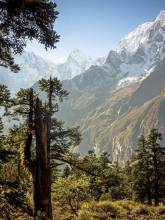
Here's the counterweight. Almost everything you actually came for costs nothing: the waterfalls, the black-sand beaches, the lava fields, the glacier viewpoints. There's no ticket booth at the good stuff. Tap water is among the cleanest on earth and free everywhere - buying bottled water in Iceland is a straight transfer from your wallet to nobody's benefit. Groceries at Bónus (the pink pig) or Krónan will feed you for $22 to $36 a day, and Reykjavík supermarkets run 10 to 15 percent cheaper than the ones out along the Ring Road, so load up before you leave town. A hot dog from Bæjarins Beztu is about $6 and is not a consolation prize. Tipping isn't expected; service is in the price.
The 2026 change nobody mentions
This one catches people out because it's new. As of January, Iceland has swapped much of its fuel tax for a per-kilometer road charge - the kílómetragjald - set at 6.95 ISK per kilometer, roughly five cents. Rental firms add an admin margin, taking it closer to 8.81. Drive the full Ring Road, about 1,330 kilometers, and that's an extra $75 to $105 landing on your card after you've returned the car, which is a nasty way to learn about a tax. Fuel duty came down as the charge went up, so the net effect is roughly neutral - but ask your rental company whether they bill a flat daily rate or per kilometer before you sign, not after.
The honest version of an Iceland budget is that a mid-range week runs somewhere around $2,000 to $2,900 per person on the ground, and that the number is unusually responsive to about six decisions: when you go, whether you cook, whether you drink in bars, how big a car you booked, how far you drive, and whether you knew about the kilometer charge. Get those right and the country stops feeling like a tax on your curiosity. Get them wrong and you'll spend $400 on dinners you won't remember, standing in front of scenery that was free the whole time.